3 Takeaways For Entrepreneurs From “How To Take Smart Notes” By Sönke Ahrens
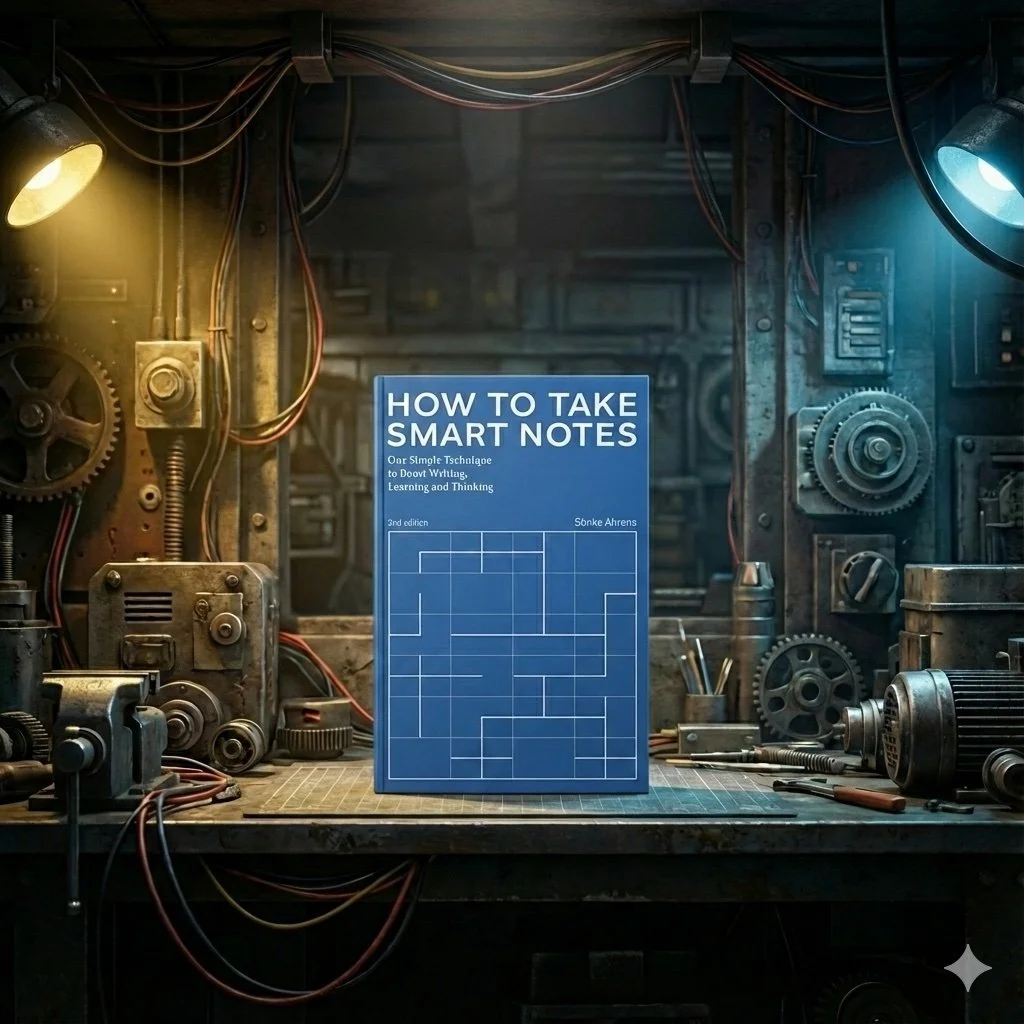
Entrepreneurs and creators constantly have so many ideas, it can be overwhelming without a defined system of capturing, organizing, and creating actions around those ideas.
In November 2022, Ali Abdaal's book review of Sönke Ahrens's book "How To Take Smart Notes" came across my feed and changed how I thought about digital notes. At the time, I just had a jumble of notes strewn across Field Notes notebooks, Apple Notes, and Evernote. The problem was, ideas would get lost in the digital void and I had no system to think about them unless an idea magically popped back in my head.
Ali's video and reading "How To Take Smart Notes" fundamentally changed how I thought about both ideas and the notes behind them to create a system to store and support them.
Takeaway 1: Unwritten Ideas = No Ideas
We've all been on a walk or in the shower, had what we thought was an amazing idea, only to forget about it and lament the loss of our best idea ever.
The foundational concept from the book is that every idea, no matter how seemingly small and insignificant, gets written down. I've lost count of how many "insignificant ideas," whether business or build project related, resurfaced in my notes app and were the spark of another idea that became something critical.
Takeaway 2: Separate Idea Capture & Organization
Before reading the book, when I got an idea "worthy enough" of taking the time to open my notebook or app, I would immediately try to figure out where it belonged, often loosing the core idea in my search.
Having a common couple of places where my ideas get captured removed the friction of getting the idea down. Later, I can go through the ideas and organize them into categories so that I can always find them (and being able to digitally search for them later helps a lot too).
Takeaway 3: Link Preexisting Ideas Together For Something New
The most effective concept from "How To Take Smart Notes" is linking ideas together when organizing.
I like to keep my ideas in Notion, organize them into common categories, and link to other ideas that are directly, indirectly, or contrarian related. The linking lets me see connections I might not have otherwise seen as well as see conflicting relationships.
Practical Application For Entrepreneurs
Sönke's slipbox concept is an early, physical card version of how we can digitally mind map in apps like Notion or Obsidian.
Entrepreneurs have tons of ideas constantly, so separating the capture of those ideas and the organization of them helps stay on the current task. At a set time per day or week, we can then organize those ideas into categories and link them to other related ideas. I've found the concept has helped me both see relations between business and content ideas I wouldn't have otherwise seen and build ideas I might not have put together.
And, I know that no idea gets lost because they all go into an inbox for me to sort through later that is searchable.